
Blog
Everything You Need to Know About Olive Oil and It’s Benefits
Jan
Olive oil is a liquid fat obtained from olives, a common tree crop in the Mediterranean Basin, produced by pressing whole olives and extracting oil. Olive oil is the most popular vegetable oil in the world. It is widely used in frying, as a fried food or as a salad dressing.
The top five olive oil producers by amount are Spain, Morocco, Turkey, Greece and Italy. However, national per capita intake is highest in Greece, followed by Spain and Italy.
History of Olive Oil
Olive oil has long been a staple component in Mediterranean cuisine, including ancient Greek and Roman cuisine. Wild olives, native to Asia Minor, were picked by Neolithic people as early as the 8th millennium BC.
In addition to cooking, olive oil has been used for religious ceremonies, medications, as fuel in oil lamps, soap production, and skin care. The Spartans and other Greeks used oil to massage themselves in gymnastics.
Suggested: Extra Virgin Olive Oil is Similar to Wine
How Olive Oil was made?
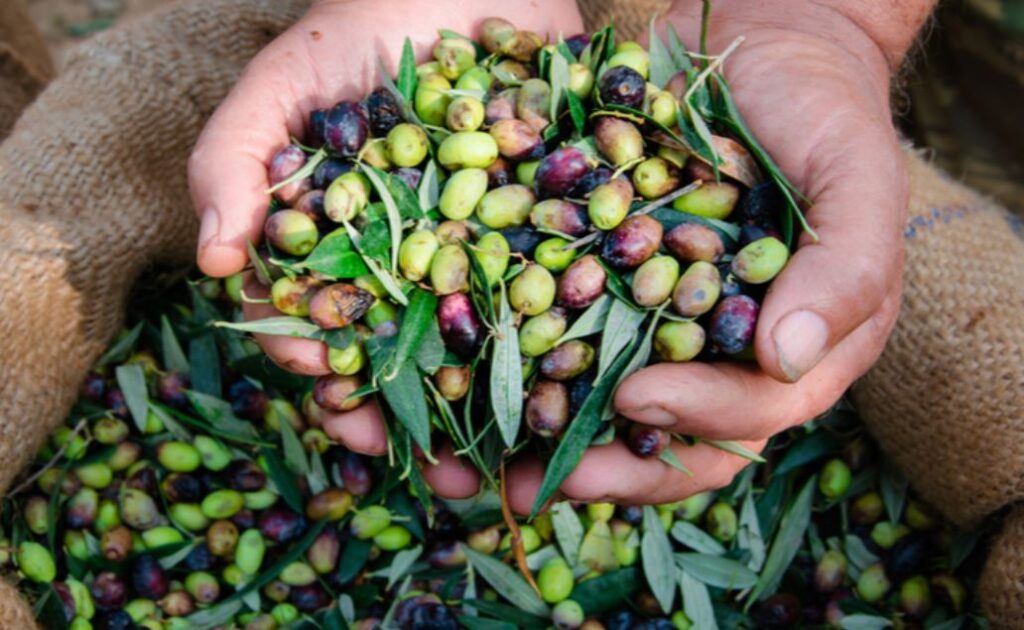
The first important move is to harvest the olives from the tree. The typical method of extracting olives is to shake the tree or to beat the roots with sticks to get the olives down to the ground. However, if no net is used to capture the olives before they reach the bottom, this process can result in the crushing of the olives, which produces a lower-quality oil.
Careful harvesting of olives is important to ensure the consistency of the finished product. After the olives have been picked, cleaned, and all the leaves and twigs cut, it’s time to smash. Crushing has historically been performed using stone wheels, but today stainless steel rollers are much more widespread.
In order to concentrate the oil molecules, the water is slowly stirred into the resulting paste. Finally, the mixture is centrifuged to extract the water. What’s left here is olive oil.
Blog
Top 10 Best Olive Oils for Cooking – Buyer’s Guide and Reviews
When you want to start cooking healthy, you often choose food products which delicious replacements for your normal choices, right? [...]
Read moreWhat are the different types of Olive Oils?
1. Refined Olive Oil – Refined olive oil is derived from the extraction of virgin olive oil. The extraction of virgin olive oil removes the acidity level. Refined olive oil is produced for bulk use and is very cheap. Refined olive oil is known to be much inferior to the other types of olive oil and does not have the distinctive flavour, taste or fragrance of pure olive oil.
2. Virgin Olive Oil – Virgin olive oil is significantly lower than the extra virgin olive oil. The key distinction between the two oils is that pure olive oil has an acidity level of about 2.0 per cent. Virgin olive is ideal for cooking purposes, especially for sauté and baking, and can also be used in salads. Virgin olive oil is ideal for body and hair massage.
3. Extra Virgin Olive Oils – The best quality of olive oil is the extra virgin olive oil. The acidity in extra virgin olive oil is less than 1% and is high in antioxidants. That’s what sets it apart from all the other oils and makes it the queen of oils. Extra virgin olive oil is obtained by the first cold pressing of freshly selected olives.
It is greenish golden to light grey in colour, with a good scent and flavour. High heat cooking inhibits nutritional value, taste and fragrance. Extra virgin olive oil is best used for salads.
4. Pomace Oils – Olive pomegranate oil is very similar to plain olive oil. When all the oil and water is removed from the olives, there is still some oil residue remaining which can be extracted from the olive pomace.
This oil derived from olive pomace contains none of the nutrition, flavour and fragrance of extra virgin olive oil. This olive pomace oil is then combined with virgin olive oil to provide some of the benefits of olive oil. Olive pomace oil is ideal for high-temperature cooking.
5. Pure Olive Oil – Pure olive oil is pure olive oil. It’s a combination of distilled olive oil and extra virgin olive oil. Simple olive oil has an acidity level of about 2.0 percent, but is very poor in nutritional content relative to extra virgin olive oil. Pure olive oil is ideal for heavy cooking, but it is not suitable for salads because it lacks flavour and fragrance.
Why do we have to use Olive Oil?
Strong quality extra virgin olive oils are fruity, pleasantly bitter due to the freshness of the olives and pungent due to the excess of nutrients. Like wine, there are hundreds of variations, each with its own distinctive flavour and character.
On top of that, there are thousands of potential combinations of varieties Extra virgin olive oil can be used to carry your dishes to a whole new level-you only have to match the right oil with the right food to find your own personal favourites.
Olive oil can also be used for heating and frying every day. Remember, Mediterranean countries have been preparing and frying olive oil for decades.
How to Buy Olive Oils?
- It’s good to buy Extra Virgin Olive Oil – Although extra virgin olive oils contained in supermarket shelves may not be correctly labelled or even often labelled as extra virgin when they are not, you are much better off using a mislabelled extra virgin olive oil than settle for far lower-quality vegetable oils or even low-quality olive oils such as pure or lite.
- Check Harvest date – Still check for the date of harvest on the bottle to make sure it is in the last year at least. Olive oils are typically extracted from October to December. This suggests that if you were to buy olive oil in April 2018, olive oil with a harvest date of autumn 2017 will already be called new harvest.
- Verifying Storing conditions – The storage conditions are very critical when it comes to preserving the good quality of extra virgin olive oil after it has been bottled. Heat and bright lights kill even the finest extra virgin olive oils.
Where Can I buy Best Olive Oils?
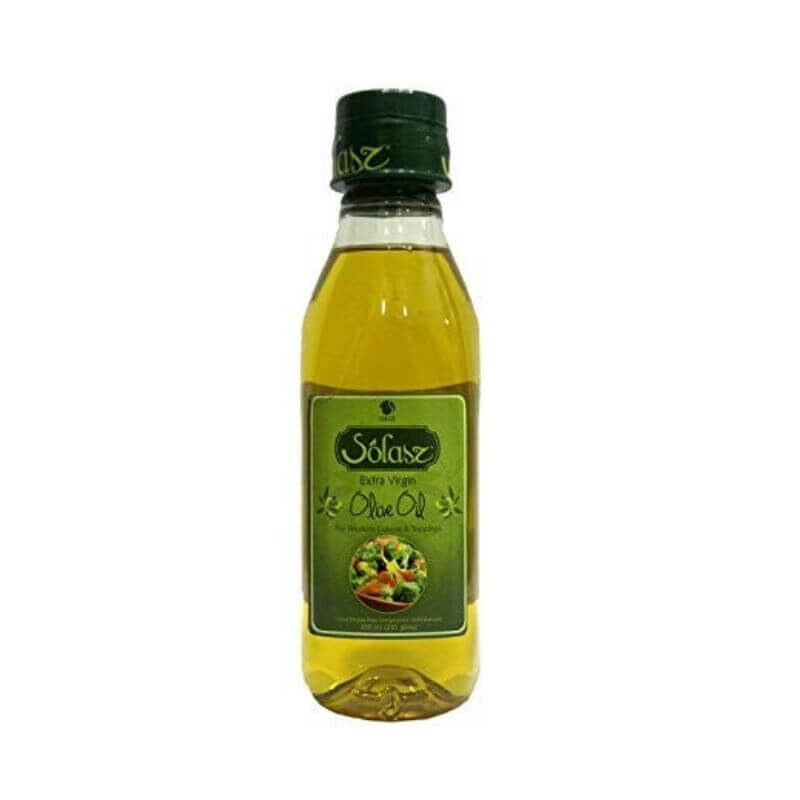
Extra Virgin Olive oils
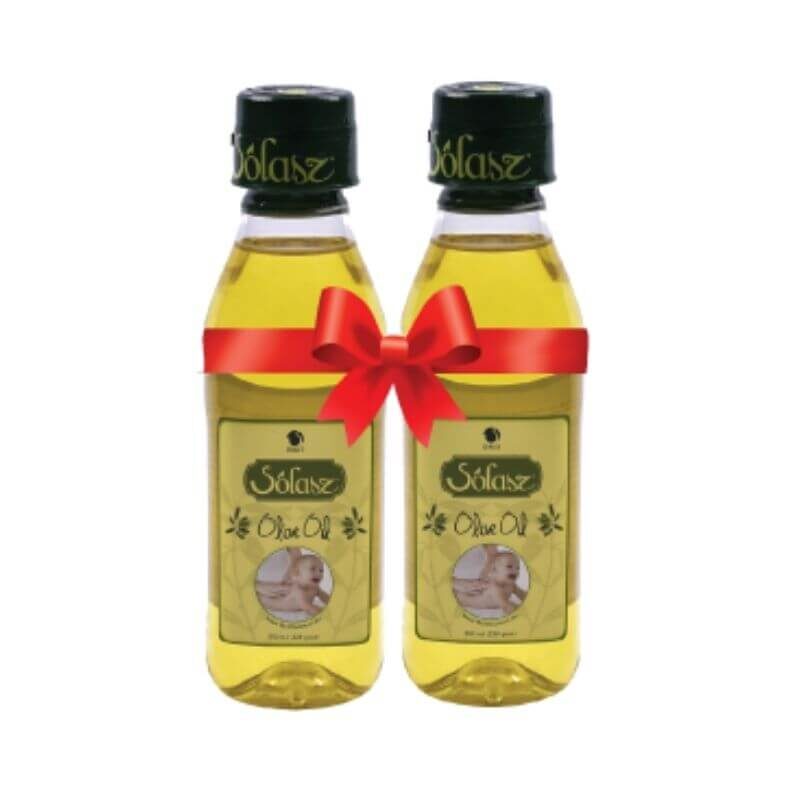
Extra Virgin Olive oils
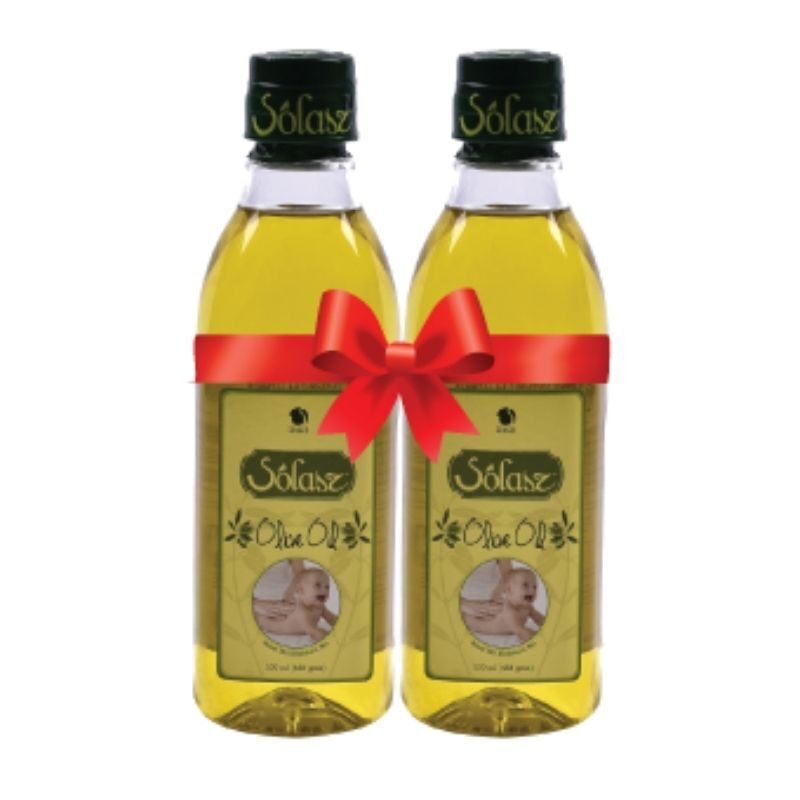
Extra Virgin Olive oils
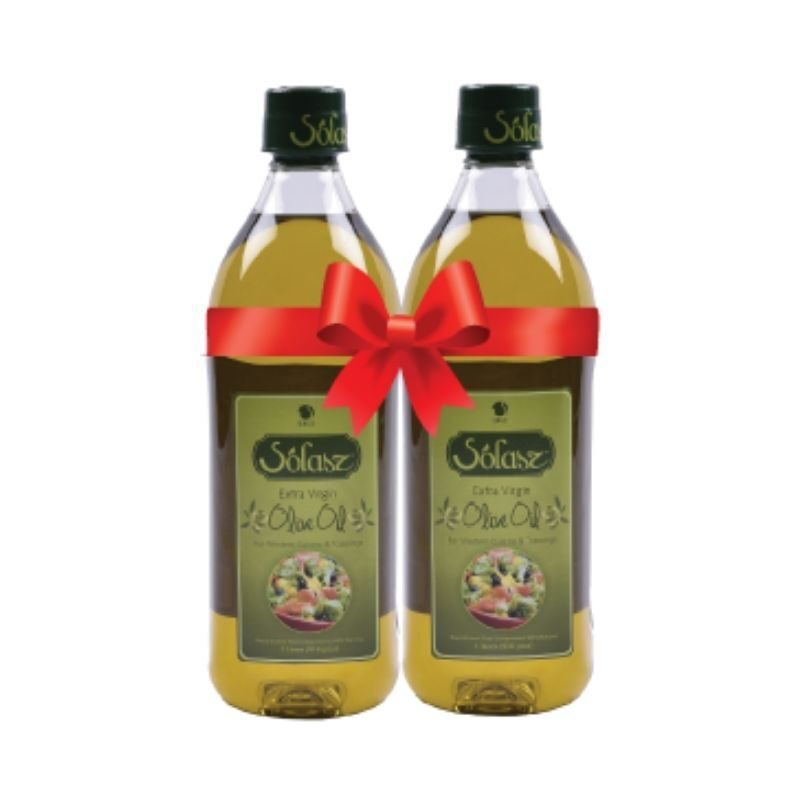
Extra Virgin Olive oils
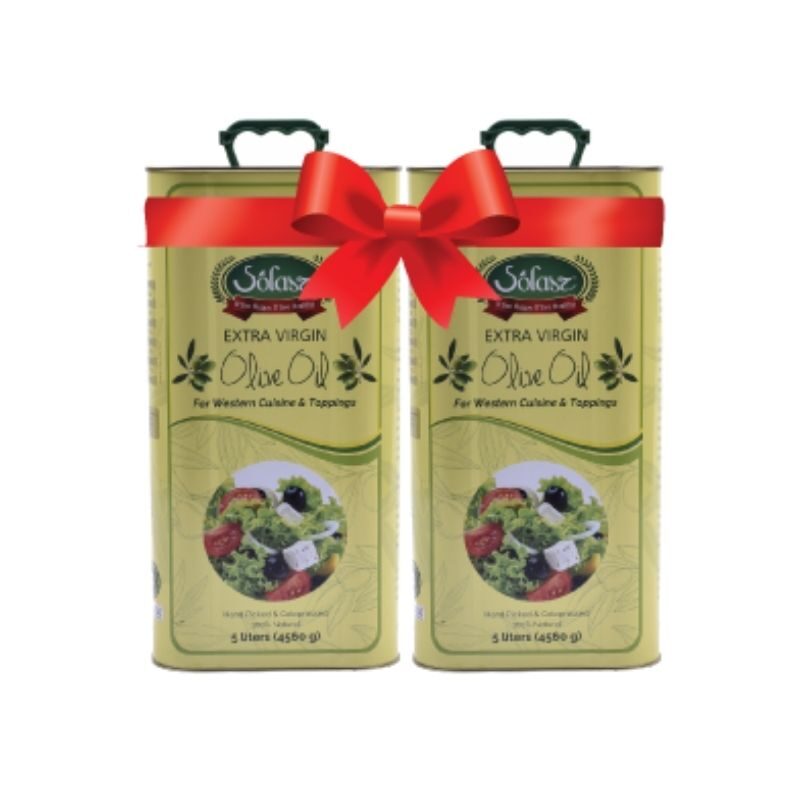
Extra Virgin Olive oils
Why Does Olive Oil Cost more?
Strong quality extra virgin olive oil is very difficult to produce. A lot of time goes into collecting and collecting new, good olives, and that adds to the final cost. But that’s also what makes 100 percent raw food popular for its huge health benefits.
Lower quality olive oils are produced without the same degree of concern when it comes to collecting olives for crushing. They need to be thermally and chemically processed to remove the unpleasant tastes of oxidised olives.
Any distinction with extra virgin olive oil and canola, soya, sunflower or any other cooking oil would be unjust and would like to compare a supercar with a cheap 800cc car without safety belts or airbags.
But healthy extra virgin olive oil is not just a healthy oil, but an ingredient that can be used to lift your dishes to a brand new standard. There are several different varieties to pick from and just like wine, each has its own flavours and aromas.
Suggested: Top 10 Best Olive Oils for Cooking – Buyer’s Guide and Reviews
Facts about Olive Oil
- The olive tree is native to the Mediterranean basin, and archaeological evidence suggests that it was made as early as 4000 BC.
- Historically, olive oil was used not only for cooking, but also for medicine, lamp fuel, soap and skin care.
- Most olive oil is made in Europe, with Spain being the main producer followed by Italy and Greece. Olive oil is produced in California, Arizona, Texas, Georgia, Florida, Oregon, and Hawaii in the United States.
- The production of olive oil begins with the harvesting of olives; they have historically been handpicked, but today the harvesting is carried out by a variety of shakers which transmit vibrations to the branches of the tree, causing the olives to fall into the nets.
- Variety and ripening are two of the most significant influences influencing the consistency and flavour of olive oil.
- Less than 24 hours from harvest to processing, high-grade oils are made.
- The word virgin means that the oil has been refined only by means of mechanical means, without any chemical treatment.
Difference between Extra Virgin Olive and Virgin Olive Oil
EVO oil is obtained by the first pressing or extraction of olives, while virgin olive oil is obtained by the second pressing or extraction of olives.
Extra virgin olive oil is derived from fresh, cold-pressed olives, while standard olive oil is a mixture of both cold-pressed and refined oils.
Suggested: Olive Oil is a Good Moisturizer for your Face
How Oilve Oil in Stored?
Extra virgin olive oil in dark glass bottles can be kept in conditions where the temperature is not below 8 degrees or over 30 degrees. At eight degrees, the oil begins to freeze and transforms from liquid to concrete. Once the oil returns to the liquid as temperatures increase, there would be no change in flavour and scent, but only a systemic change.
When olives are picked, they should not be stored in high volume crates. When olives are stacked in large crates, the added weight can allow the lowest layer of olives to be crushed. The crushed olives would then continue to oxidise and damage the consistency of the oil. And to repeat-olives can still be pressed as soon as possible after harvesting.
Final Thoughts
It’s understandable that you’d want to get it right with the key cooking product that has been around for thousands of years.These facts and observations about the various varieties of olive oil that will make you feel more secure next time you’re standing in the aisle, considering your choices.