
Blog
What are Essential Oils? Benefits, Uses, and Side Effects
Jan
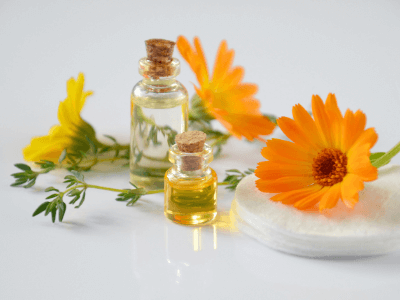
Essential oils are highly concentrated plant extracts distilled into oil. These oils, extracted from flowers, leaves, roots, and other parts of plants, have been common in complementary and alternative medicine and have been used for medicinal purposes for centuries in some cultures.
Continuing scientific research has shown that there are indeed health benefits to many essential oils; indeed, many modern medicines are extracted from essential oils. However, although certain oils, in limited doses, are helpful, others can be harmful.
Since the U.S. is not regulating essential oils. Much should be used with caution by the Food and Drug Administration (FDA), preferably with a licensed holistic practitioner’s guidance.
What are essential oils?
Essential oils are liquid extracts of various potentially beneficial plants. The valuable compounds from these plants can be extracted by manufacturing processes.
Essential oils also have a much stronger smell and contain higher amounts of active ingredients than the plants they come from. This has to do with the quantity of plant matter required to manufacture essential oil.
There are different ways that manufacturers extract the essential oils, including:
Steam or water distillation. Water or hot steam is passed through the plants by this process, pulling the essential compounds away from the plant matter.
Cold pressing. This approach works by pressing or squeezing plant matter mechanically to cause it to release essential juices or oils. Smelling the fresh fragrance of lemon after squeezing or zesting a lemon peel would be a simple example of this.
Some manufacturers can add the active compounds from the plant matter to the carrier oil after extracting them to obtain more of the product from the same amount of essential oil. These products are no longer pure essential oils, but a combination of them.
Also, See Herbal Strategi|Basil Essential oil (Tulsi)- 50ml
Health Benefits of Essential Oils
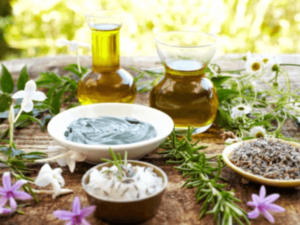
To treat many physical and mental health conditions, essential oils may be used. These oils produce beneficial compounds such as antioxidants, terpenes, and esters at the molecular level that can help improve wellness.
While there is an increasing body of research suggesting possible health benefits of essential oils, many studies are limited to testing on animals and cell cultures. There is a lack of large-scale human clinical trials looking at the impact of individual oils on particular health conditions.
But at least one study was positive, published in the Journal of Dietary Supplements. The general health effects of vitamins, herbs, and essential oils and found oils were evaluated to be as effective in improving health as other supplements.
Participants in the study reported increased immunity, decreased pain and anxiety, and improved energy and mental clarity in particular. Improved blood markers associated with cholesterol, diabetes, and heart disease were also identified in laboratory studies.
Essential oils
Essential oils
Essential oils
Essential oils
Stress and anxiety
43% of individuals with stress and anxiety are reported to use a form of alternative treatment to help alleviate their symptoms (8Trusted Source).
Initial studies have been very optimistic with respect to aromatherapy. Many have shown that alongside conventional therapy to treat anxiety and stress, the scent of certain essential oils can function.
However, it is difficult to perform blind experiments and rule out prejudices due to the scents of the compounds. Therefore, several studies have not been definitive on the stress-and anxiety-relieving impact of essential oils.
Interestingly, using essential oils can help alleviate tension during a massage, but the results can only last until the massage takes place.
A recent analysis of over 201 studies showed that only 10 were sufficiently rigorous to evaluate. Aromatherapy was also found to be ineffective in managing anxiety.
Headaches and migraines
Two small experiments in the ’90s showed that dabbing a combination of peppermint oil and ethanol on the foreheads and temples of participants eased headache pain.
Recent studies have also shown decreased headache pain after peppermint and lavender oil are applied to the skin.
What’s more, it was suggested that the application to the temples of a mixture of chamomile and sesame oil may treat headaches and migraines. This is a popular Persian cure for headaches.
However, further studies of high quality are required.
Sleep and insomnia
It has been shown that smelling lavender oil enhances the quality of sleep in women after childbirth and in patients with heart disease.
Fifteen experiments on essential oils and sleep were reviewed by one study. The majority of studies have shown that oils, mostly lavender oil, have beneficial effects on sleep patterns.
Reducing inflammation
It has been proposed that essential oils can assist in treating inflammatory conditions. Some tests of test tubes indicate that they have anti-inflammatory effects .
One mouse study showed that the ingestion of a mixture of essential oils from thyme and oregano helped cause colitis remission. Similar findings were observed in two rat studies of caraway and rosemary oils.
The effects of these oils on inflammatory disorders have been investigated in very few human studies, however. Their efficacy and safety are still uncertain.
Antibiotic and antimicrobial
In the quest for other compounds that can combat bacterial infections, the growth of antibiotic-resistant bacteria has renewed interest.
Test-tube experiments have thoroughly tested essential oils for their antimicrobial effects, such as peppermint and tea tree oil, and have shown some promising results.
However, while these outcomes of the test tube analysis are fascinating, they do not necessarily reflect the effects inside your body of these oils. They do not demonstrate that a specific essential oil can cure human bacterial infections.
Uses of Essential Oils
To produce a variety of products, manufacturers use essential oils. The cosmetic and makeup industry uses essential oils in certain beauty care items to manufacture perfumes, add fragrance to creams and body washes, and even as sources of natural antioxidants.
- Essential oils are used by many natural medicine practitioners, such as aromatherapists. Aromatherapy entails the diffusion into the air of these essential oils.
- Aromatherapists think that breathing in essential oils may allow them to penetrate the lungs and bloodstream, where the body can benefit from some of the potentially helpful compounds.
- There has been a method of aromatherapy used by someone who has used a mentholated vapor rub to help clear their sinuses. As the authors of a 2013 study say, it can alleviate feelings of congestion and shortness of breath by inhaling menthol in this way.
- As well as inhaling them, the active compounds can also be administered to the body by applying essential oils to a carrier oil and massaging them into the skin.
- Without diluting them, people can never apply essential oils directly to the skin except under the direct supervision of a healthcare professional.
- Swallowing essential oils is also harmful. Not only are essential oils highly concentrated, but the sensitive cells within the body may also be irritated.
- Some individuals may take oral capsules containing essential oils in rare cases. However, with the supervision of a healthcare professional, individuals can only do this.
- However, a person should usually not place standard commercial essential oils anywhere near his or her mouth or elsewhere where he or she can reach the body, such as the eyes, ear, anus, or vagina.
Other uses
- Essential oils, outside of aromatherapy, have many applications.
- Most individuals use them to smell their homes or refresh items like laundry.
- They are also used in handmade cosmetics and high-quality herbal products as a natural fragrance.
- Moreover, it has been proposed that essential oils could provide a safe and environmentally friendly alternative, such as DEET, to man-made mosquito repellents.
- Results about their efficacy, however, have been mixed.
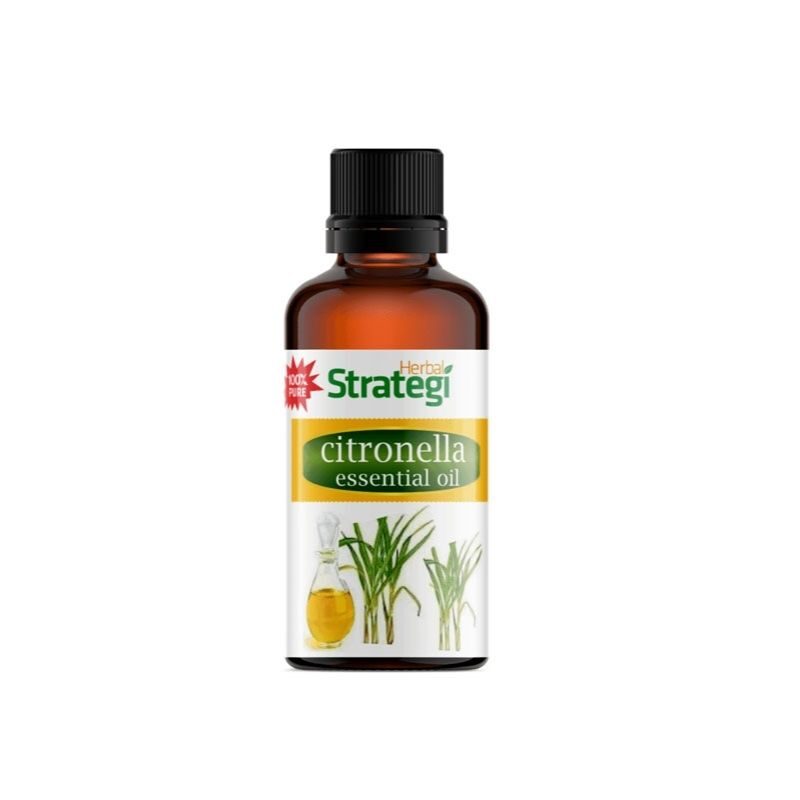
- Studies have shown that certain oils can repel certain types of mosquitoes for about 2 hours, such as citronella. When used in conjunction with vanillin, safety time can be extended by up to 3 hours.
- In addition, the properties of essential oils suggest that some of them can be used industrially to prolong the shelf life of foods.
Essential oils
Essential oils
Essential oils
Essential oils
Are they effective?
Depending on what a person uses them for, some essential oils may be efficient.
There is a variety of plants that produce compounds that are potentially active. Dozens of these plant oils have been converted into essential oil products by manufacturers. Some of the essential oils that are most common include:
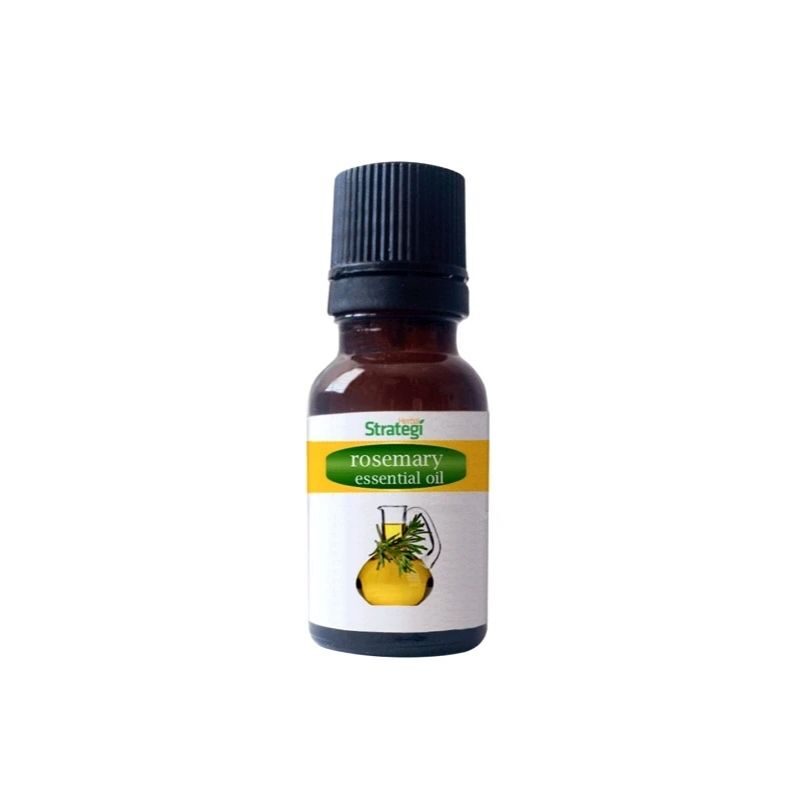
- Rosemary Essential Oil
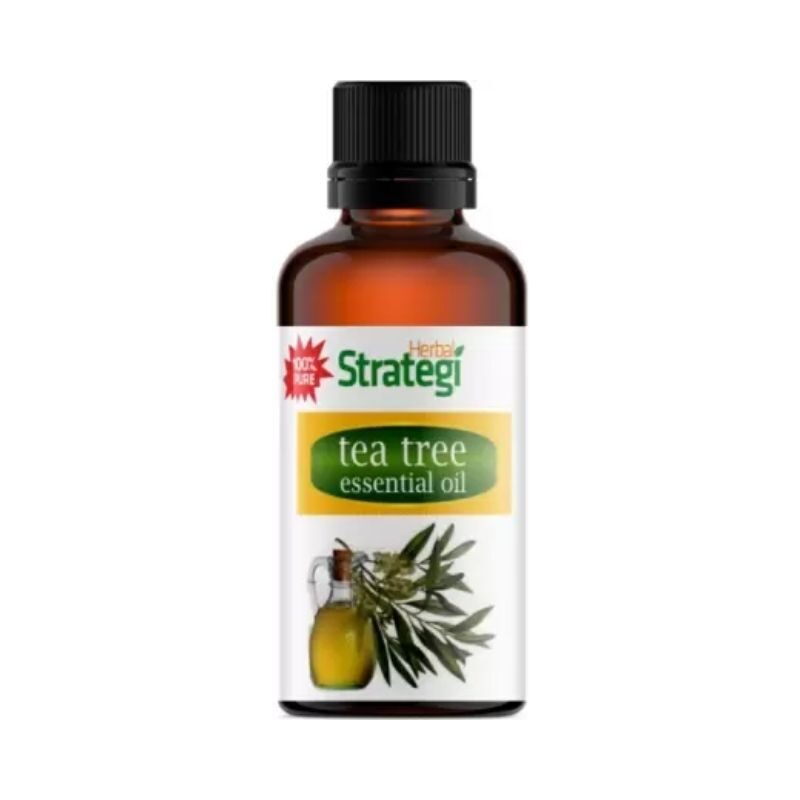
- Tea Tree Essential Oil
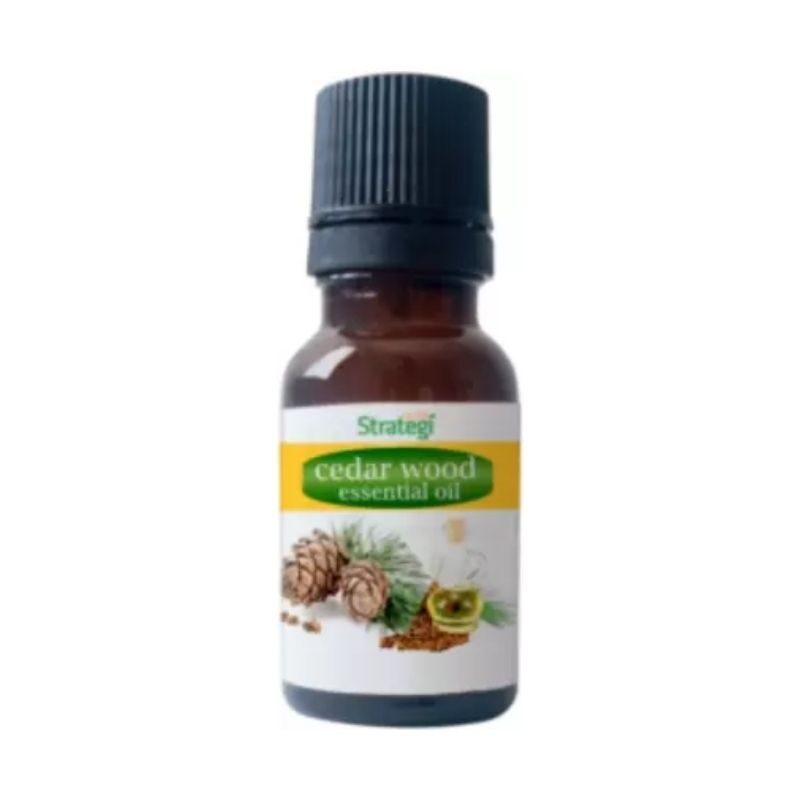
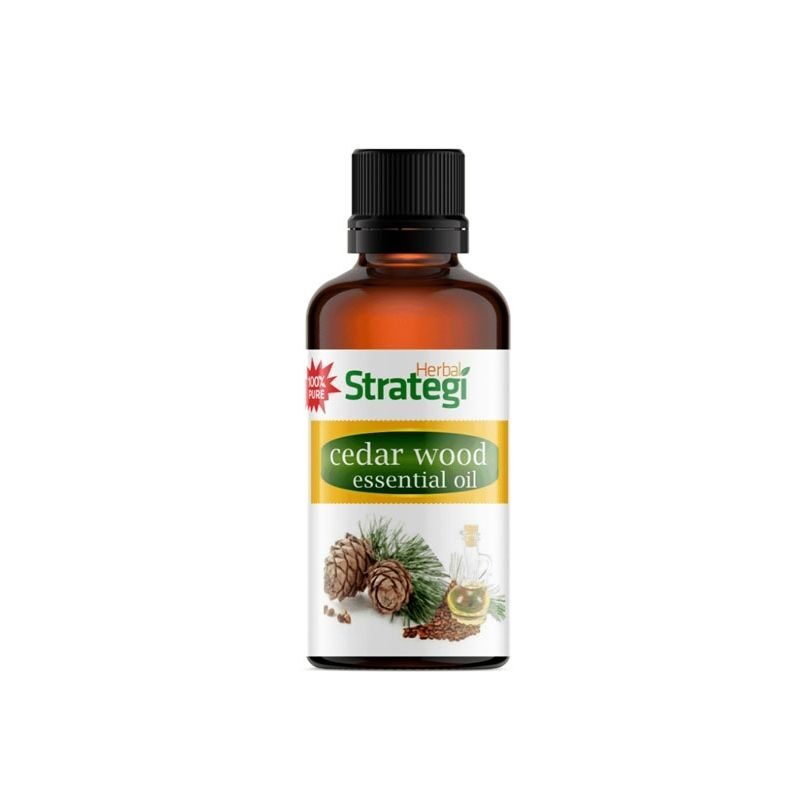
- Cedar Wood Essential Oil
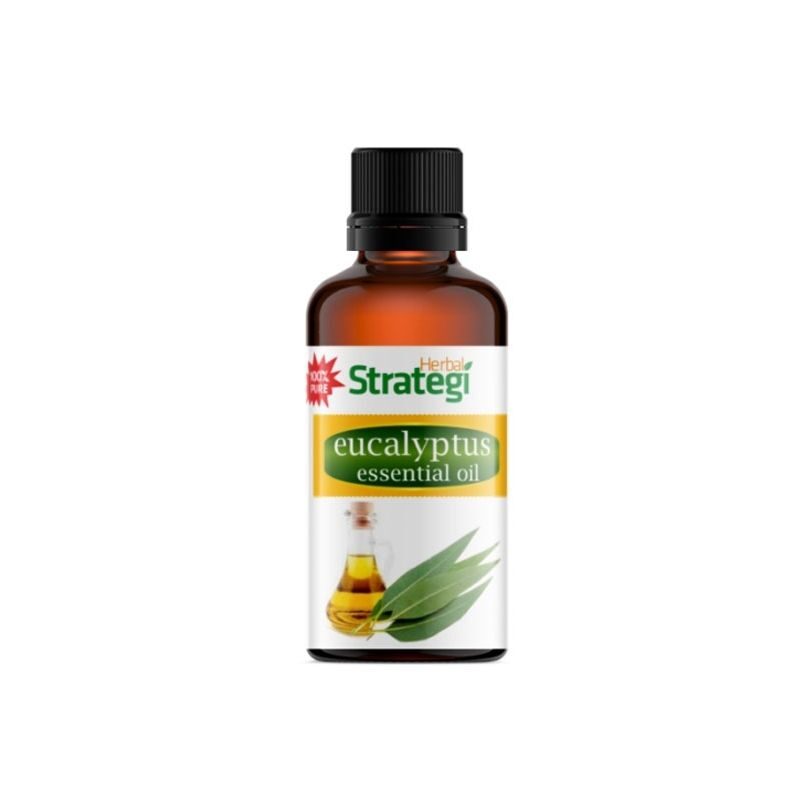
- Eucalyptus Essential Oil
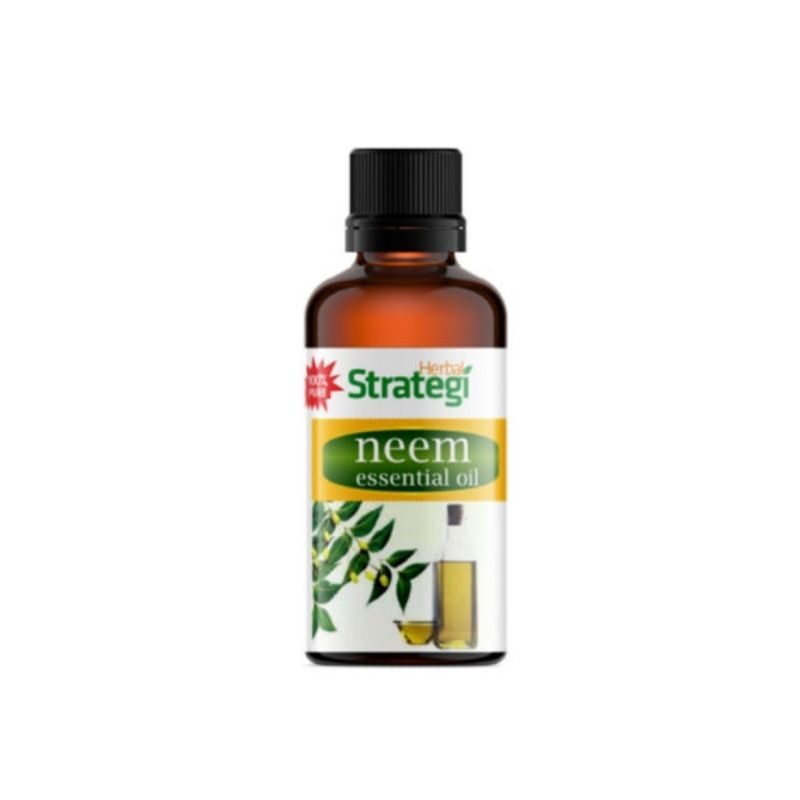
- Neem Essential Oil
- Citronella Essential Oil
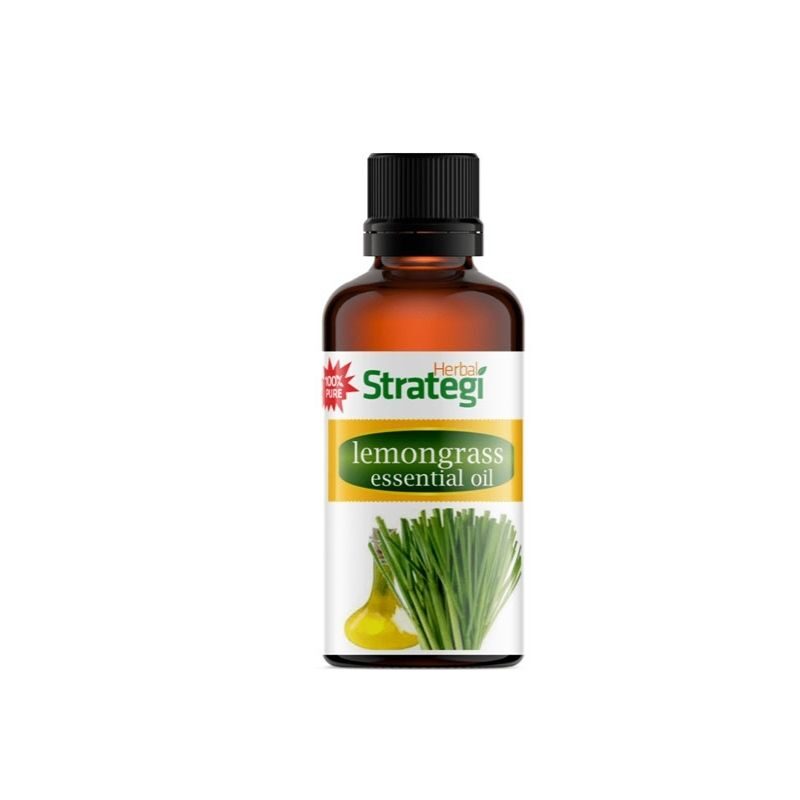
- Lemongrass Essential Oil
Side effects
Many individuals assume that they would not cause side effects, since essential oils are natural products. It’s not real. Prospective side effects of essential oils include the following:
Irritation and burning: Often use a carrier oil to dilute the oils before adding them to the skin. To monitor for any reactions, apply a small amount to a small area of skin first.
Headaches: Inhaling essential oils can help certain people with their headaches, but inhaling too much can cause some people to get a headache.
Asthma attacks: Although essential oils may be safe to inhale for most individuals, some individuals with asthma may respond to breathing in the fumes.
How to choose the right essential oils?
Many businesses say that their oils are “pure” or “medical grade.” These words are not widely defined, however, and thus carry little weight.
The consistency and composition of essential oils can differ greatly, considering that they are products of an unregulated industry.
Keep the following tips in mind to choose only high-quality oils:
Purity: Find an oil without chemicals or synthetic oils containing only aromatic plant compounds. Typically, pure oils list the botanical name of the plant (such as Lavandula officinalis) rather than words like “lavender essential oil.”
Quality: The real essential oils are the ones that have been least changed by the method of extraction. Choose an essential oil that has been extracted by distillation or mechanical cold pressing that is chemical-free.
Reputation: Purchase a brand with a reputation for delivering items of high quality.
What to Look For
They vary in quality from brand to brand because essential oils are not governed by the FDA, so it is ultimately up to the customer to select them wisely. Gas chromatography-mass spectrometry review of their goods by the most reliable suppliers (GC-MS).
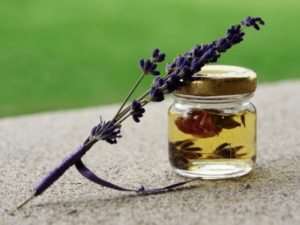
Look for oils sold in glass bottles of dark amber or cobalt blue labeled with the plant’s Latin name. Never buy essential oil items sold in plastic bottles because the oils are capable of dissolving and contaminating plastic.
Opt for undiluted oils when buying oil to be used in a diffuser. These are usually sold in 15ml (0.5 fl oz) or smaller bottles. Diluted oils are the safest option for topical application over large areas of skin, such as massages.
To avoid spoiling or degrading, essential oils should be stored in a cool, dark spot. They have a shelf life of around a year with adequate storage and handling.
For essential oils, there are no generally accepted standards, certifications, or designations. Marketing terms are terms such as “100 percent pure” or “therapeutic grade”
The price of essential oil depends on the availability of the plant, the quantity of plant material needed and the conditions of processing, harvesting and production required to produce the oil.
For example, because of the millions of blossoms required to produce one kilogram of absolute jasmine oil, jasmine oil costs more than many other oils.
Final Thoughts
To treat a range of physical and emotional problems, essential oils are used every day. The FDA does not approve these oils to treat any condition. It has been shown that certain essential oils have therapeutic properties, but they should be used with caution. It can only be done under the guidance of a healthcare professional to drink essential oils.
At Arogya Point, We provide Healthy Tea Powder Products Check Here
Extra Virgin Olive oils
Extra Virgin Olive oils
Extra Virgin Olive oils
Extra Virgin Olive oils